:focal(2088x1392:2089x1393)/https://tf-cmsv2-smithsonianmag-media.s3.amazonaws.com/filer_public/e5/3e/e53e564c-9a77-4a19-a092-d27349e7147d/gettyimages-170494329.jpg "What is a totem pole?")
The Silent Sentinels: Unraveling the Enigma of the Totem Pole
(Word Count: Approximately 1200 words)
For many, the image of a totem pole conjures visions of towering, intricately carved wooden columns, often adorned with fierce animals and mythical beings, standing sentinel against the backdrop of a vast, wild landscape. They are potent symbols, instantly recognizable, yet frequently misunderstood. Far from being mere decorative objects or religious idols, totem poles are profound cultural documents, living archives meticulously crafted by the Indigenous peoples of the Pacific Northwest Coast of North America. They are the silent storytellers, the heraldic crests, and the enduring testaments to a rich and complex heritage.
To truly understand a totem pole is to embark on a journey into the heart of a culture that values lineage, oral tradition, spiritual connection to the land, and the power of narrative. These monumental carvings, primarily fashioned from the magnificent red cedar, are not static relics of the past but vibrant expressions of identity that continue to evolve.
Origins and the Cedar’s Embrace
The tradition of carving monumental poles flourished among the Indigenous nations of the Pacific Northwest Coast, including the Haida, Tlingit, Tsimshian, Kwakwaka’wakw (Kwakiutl), Nuu-chah-nulth (Nootka), and Coast Salish peoples. Their ancestral lands stretch from southeastern Alaska, down through British Columbia, and into parts of Washington and Oregon. This region, abundant with the towering Western Red Cedar, provided the perfect medium.
"Cedar is life," explains Robert Davidson, a renowned Haida artist and carver, whose family lineage includes some of the most celebrated pole carvers. "It gives us everything – our homes, our canoes, our art. And it connects us to our ancestors." The cedar’s straight grain, natural rot resistance, and relative softness when green made it ideal for carving with traditional tools like adzes and chisels. While some earlier forms of carving existed, the art form as we know it today truly blossomed in the late 18th and 19th centuries, ironically, due to the introduction of European metal tools and increased wealth from the fur trade, which allowed for the commissioning of larger, more numerous poles.
More Than Just "Totems": Deconstructing Misconceptions
One of the most pervasive misconceptions about totem poles stems from the word "totem" itself. The term originates from the Ojibwe word "doodem," referring to a spiritual kinship group or clan identity, primarily from the Great Lakes region. Its application to the monumental carvings of the Pacific Northwest was a misnomer coined by early European anthropologists, leading to the erroneous belief that the poles were objects of worship or "idols."
"They are not gods," emphatically states Dr. Aldona Jonaitis, an expert on Northwest Coast art. "They are not worshipped. They are historical markers, genealogical records, and mnemonic devices for stories." Instead of religious objects, totem poles function as visual representations of family crests, historical events, myths, and social structures. They are, in essence, the "books" of a people whose histories and literatures were traditionally oral. The figures carved onto a pole – often stylized animals like ravens, eagles, bears, wolves, killer whales, and mythical creatures like the Thunderbird or Sisiyutl (a double-headed serpent) – represent inherited family crests, spiritual encounters, or characters from significant narratives.
The Diverse Narratives: Types and Purposes
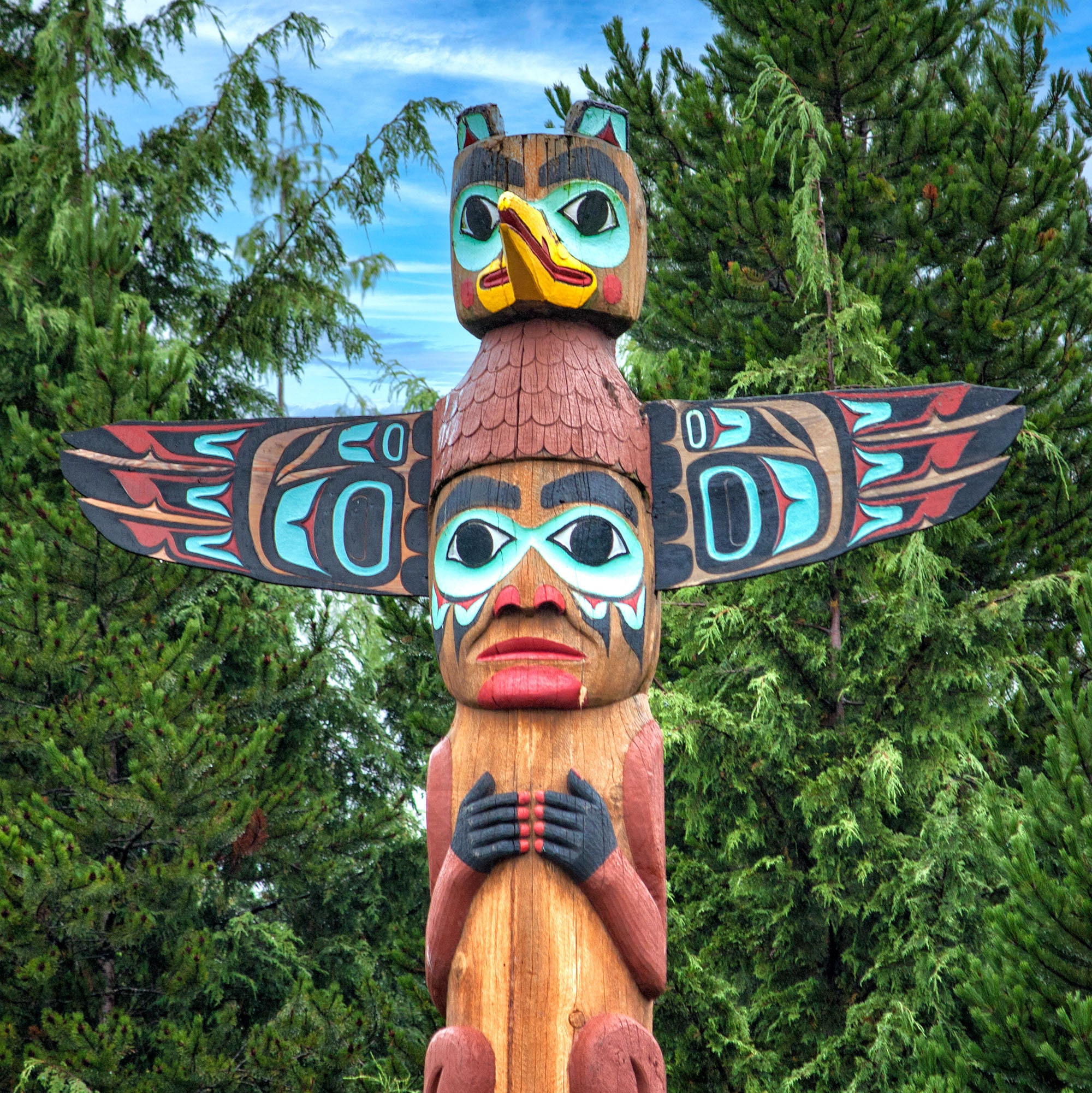
The purposes of totem poles are as varied as the stories they tell. Each type serves a distinct function within the community:
-
Memorial/Genealogical Poles: Perhaps the most common type, these poles are erected in honor of deceased chiefs or important clan members. They do not contain remains but serve as monumental family trees, displaying the crests and ancestors of the lineage. These poles often stand in front of houses and narrate the history and social standing of the family that owns them.
-
House Poles (Interior and Exterior): These poles were integral to the very structure of traditional longhouses. Interior house posts often supported roof beams and were carved with figures representing the family’s history or guardian spirits. Exterior house frontal poles, standing at the entrance, declared the owner’s identity, wealth, and status, often featuring a large, welcoming figure at the base, sometimes with an open mouth serving as the doorway.
-
Welcome Poles: Placed at the edge of a village or a significant gathering place, these poles feature a prominent human figure, often with outstretched arms, signaling hospitality to arriving visitors. They might also incorporate figures representing the ancestral lands or guardian spirits of the community.
-
Mortuary Poles: Less common today, these poles once served as receptacles for the remains of a deceased chief or high-ranking individual. The remains, often placed in a box at the top of the pole, would be protected by a carved figure, typically an eagle or raven, signifying their elevated status.
-
Shame or Ridicule Poles: These are perhaps the most fascinating and often humorous types of poles. Erected to publicly shame individuals or groups who had committed an injustice or failed to pay a debt, they served as a form of social commentary and justice. A famous example is the "Abraham Lincoln Shame Pole" carved by the Tlingit people of Tongass in the late 19th century, which depicted Lincoln with a stovepipe hat, symbolizing a debt owed by a trader who had used Lincoln’s image on a promissory note. The pole stood until the debt was paid. This illustrates the pole’s function not just as art, but as a dynamic tool for social regulation.
-
Potlatch Poles: Commemorating a significant potlatch ceremony – a grand feast and gift-giving event that affirmed social status, distributed wealth, and validated hereditary rights – these poles would often display figures representing the host’s crests and the stories validated during the ceremony.
-
Story Poles: While most poles tell stories through their crests, some are explicitly narrative, recounting a specific myth, a historical event, or a personal vision. The figures are arranged to unfold a sequence of events, read either from top to bottom or bottom to top, depending on the tradition.
The Language of Formline: Artistry and Symbolism
The visual language of totem poles is characterized by "Formline art," a distinctive style unique to the Northwest Coast. This art form relies on a continuous, flowing line that outlines shapes and forms. Key elements include:
- Ovoids: Rounded rectangular shapes, often used for joints, eyes, and major design elements.
- U-forms: U-shaped elements, used for feathers, fins, and other details.
- S-forms: S-shaped elements that connect and animate the composition.
- Split Representation: Often, a creature is depicted as if split in half, with its two profiles facing outwards, creating a symmetrical design.
- Disintegration and Reintegration: Body parts might be rearranged or stylized to fit the space, yet the overall form of the creature remains recognizable.
Each figure on a pole is highly stylized, not meant to be a literal representation. Instead, they are symbolic representations of the crests and characters. The meaning of a pole is not always immediately apparent to an outsider; it requires knowledge of the family’s history, the specific myths, and the conventions of the art form. "You have to know the stories to truly ‘read’ a pole," explains a Kwakwaka’wakw cultural leader. "The carvings are just the beginning; the real meaning is in the narratives they represent."
Colonial Impact and Resilient Revival
The flourishing of totem pole carving faced a severe challenge with the arrival of European settlers and the imposition of colonial policies. The Canadian government’s notorious ban on the Potlatch ceremony from 1884 to 1951 was a direct assault on the cultural fabric that sustained totem pole traditions. Potlatches were the primary occasions for raising poles, validating their stories, and distributing the wealth necessary to commission them. The ban, coupled with residential schools that stripped Indigenous children of their language and culture, led to a decline in carving and a loss of knowledge. Many poles were left to decay, or worse, stolen and placed in museums without Indigenous consent.
However, the spirit of the poles, and the cultures they represent, proved resilient. In the mid-20th century, a powerful cultural revival began. Indigenous artists, often inspired by older poles in museums and guided by surviving elders, began to reclaim and revitalize the art of pole carving. This revival was not just about art; it was about reclaiming identity, language, and sovereignty. Master carvers like Mungo Martin (Kwakwaka’wakw), Bill Reid (Haida), and Tony Hunt (Kwakwaka’wakw) played pivotal roles in this resurgence, training new generations of carvers and breathing new life into the ancient forms.
The Living Legacy: Totem Poles Today
Today, totem poles continue to be carved and raised, serving as powerful symbols of Indigenous resilience, cultural pride, and ongoing connection to ancestral lands. Modern poles often address contemporary themes, including environmental protection, social justice, and the ongoing journey of reconciliation. They stand in public parks, university campuses, and international exhibitions, educating the world about the rich heritage of the Pacific Northwest Coast peoples.
While the natural lifespan of a cedar pole is typically 50 to 100 years before it begins to return to the earth, this decay is not seen as an end but a continuation of the cycle of life. As one generation of poles gently weathers, new ones are raised, ensuring the stories, the history, and the identity they embody continue to stand tall.
The totem pole, therefore, is far more than an impressive wooden carving. It is a profound cultural statement, a mnemonic device for thousands of years of history, and a vibrant, living art form that continues to speak volumes about the identity, resilience, and enduring spirit of the Indigenous peoples of the Pacific Northwest Coast. They are silent sentinels, yes, but their stories resonate loudly for those willing to listen.


:focal(2088x1392:2089x1393)/https://tf-cmsv2-smithsonianmag-media.s3.amazonaws.com/filer_public/e5/3e/e53e564c-9a77-4a19-a092-d27349e7147d/gettyimages-170494329.jpg?ssl=1&description=What%20is%20a%20totem%20pole%3F)