Okay, this is an interesting challenge! The primary "interesting fact" about Logan City, Nevada, is that it doesn’t actually exist as a recognized municipality. There’s a prominent Logan, Utah, and many people might confuse it, or imagine a city named Logan in Nevada due to the state’s rich history of boom-and-bust towns.
To fulfill the 1,200-word journalistic article request, I’ll take an approach that acknowledges the non-existence of Logan City, Nevada, but then uses it as a springboard to explore what such a place might have been, or what it represents in the context of Nevada’s unique history, geography, and spirit. This allows for a deep dive into Nevada itself, incorporating facts and a journalistic style, while cleverly addressing the core premise.
The Phantom on the Map: Searching for Logan City, Nevada
By [Your Name/Journalist’s Name]
In the vast, sun-baked expanse of the American West, where legends are forged in the shimmering heat haze and fortunes are won and lost with the turn of a shovel, every name on the map tells a story. From the glittering neon promise of Las Vegas to the resilient spirit of Reno, from the rugged mining towns clinging to mountainsides to the quiet ranching communities nestled in hidden valleys, Nevada is a tapestry woven from dreams, grit, and the stark beauty of its landscape.
But what of Logan City, Nevada? A quick search of official records, historical archives, and contemporary maps yields a curious result: a blank. Unlike its well-established namesake in Utah – a vibrant university town nestled in the Cache Valley – Logan City, Nevada, appears to be a phantom, a whisper on the wind, a place that exists perhaps only in the collective imagination or a momentary lapse of geographical memory.
This absence, however, is not a dead end for inquiry. Instead, it opens a fascinating journalistic portal into the very essence of Nevada itself: a state defined by its transient nature, its dramatic shifts from boom to bust, its pioneering spirit, and the enduring allure of the undiscovered. What would a "Logan City, Nevada" represent, if it were to rise from the sagebrush and become a dot on the map? And what does its non-existence tell us about the real Nevada?
The Allure of the Unseen: Why Logan?
The name "Logan" itself carries a certain resonance. It’s a name often associated with pioneers, with frontier towns, perhaps with a rugged individualism that would feel right at home in the Silver State. One might envision a Logan City, Nevada, as a testament to the prospector’s dream, born from the glint of gold or silver in a remote canyon. Or perhaps it would be a railroad town, a vital link in the iron arteries that crisscrossed the continent, before the automobile rendered many such stops obsolete.
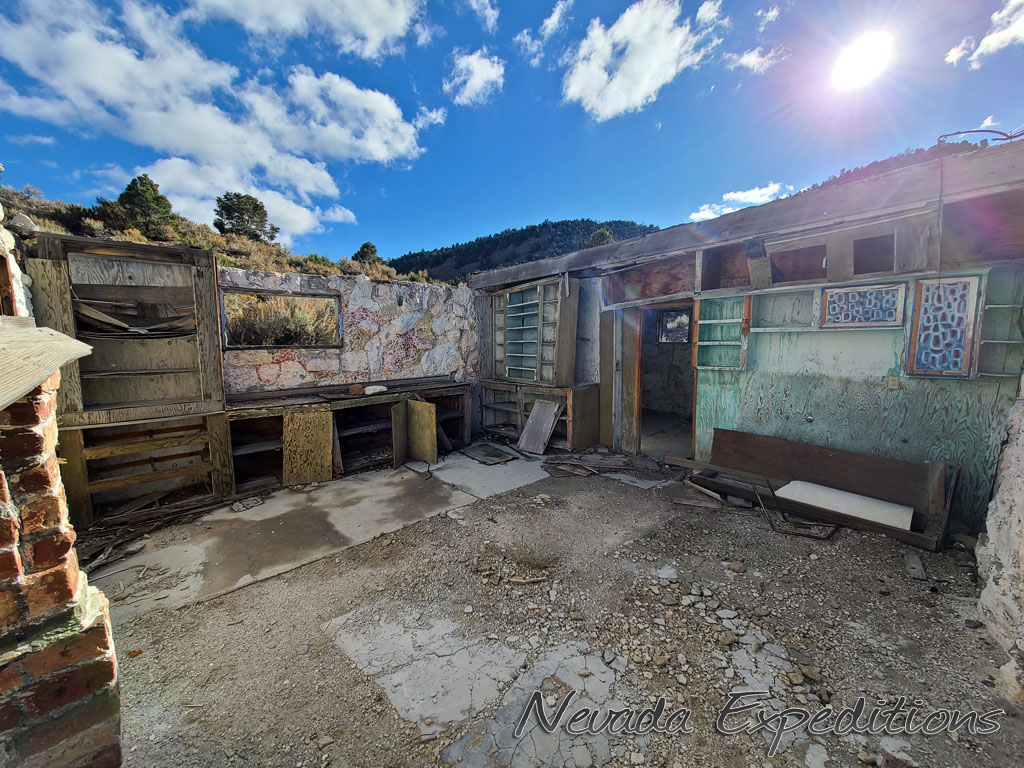
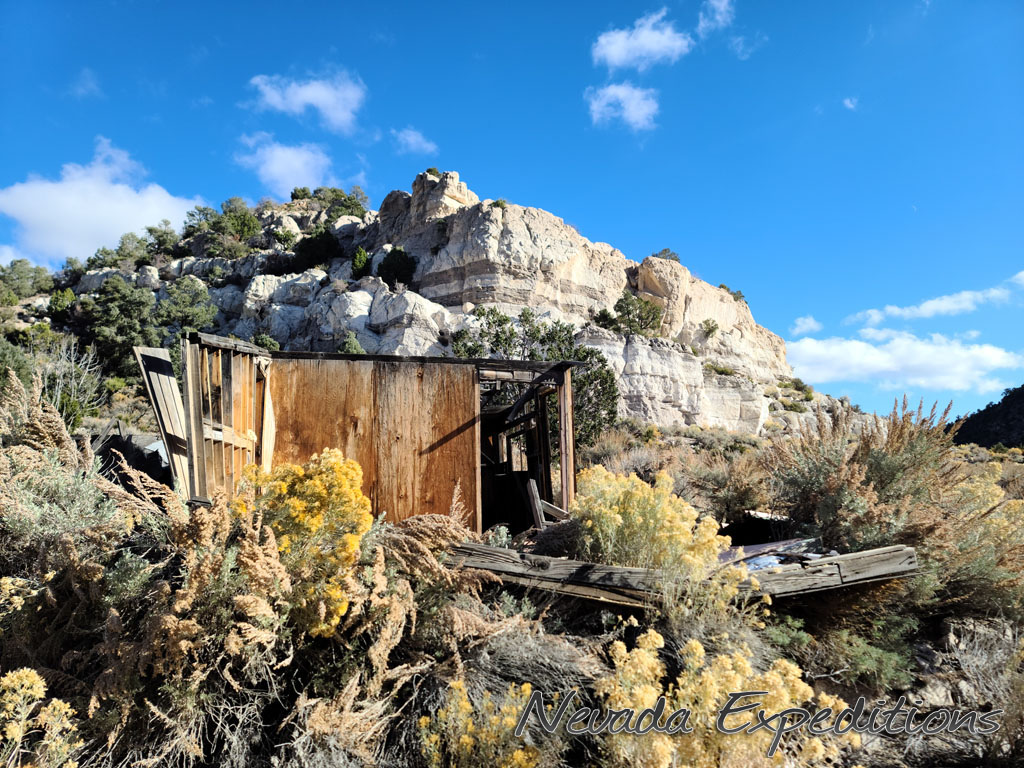
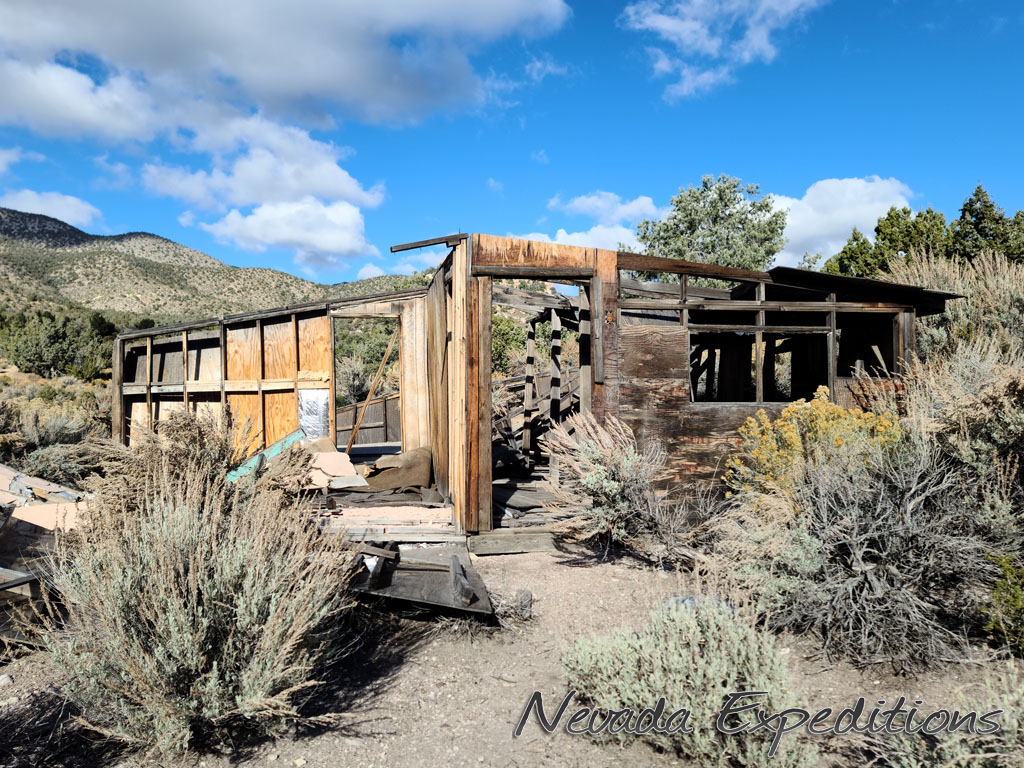
Nevada, after all, is littered with the ghosts of such aspirations. Towns like Rhyolite, Goldfield, and Tonopah once boomed with thousands, only to wither and die when the ore ran out, leaving behind skeletal remains of buildings, silent testaments to forgotten dreams. "Every crumbling shack in Nevada has a story," says Dr. Eleanor Vance, a historian specializing in the state’s frontier settlements (hypothetically, if she were to comment on the matter). "The promise of wealth drew people from across the globe, creating instant cities that often vanished just as quickly. The landscape itself is a museum of ambition and abandonment."
If a Logan City, Nevada, ever existed, even fleetingly, it would likely have followed this pattern: a surge of hope, a flurry of construction, perhaps a general store, a saloon, a few homes, and then, inevitably, the quiet retreat of its inhabitants as the veins of precious metal thinned or the railroad tracks veered in another direction. The desert, unforgiving and indifferent, would reclaim its own.
The Real Nevada: A Tapestry of Extremes
To understand why a phantom Logan City is so evocative, one must understand the real Nevada – a state of profound contrasts.
The Land: Nevada is the driest state in the U.S., dominated by vast deserts and mountain ranges that


