Echoes of the River People: The Enduring Cultural Tapestry of the Lenape
Before the skyscrapers of Manhattan pierced the sky and the sprawling suburbs of New Jersey stretched endlessly, the land now known as the Mid-Atlantic United States was home to a people deeply intertwined with its rivers, forests, and coasts. They were the Lenape, or Lënape, a name often translated as "The Original People" or "True People." For millennia, their sophisticated cultural practices, rooted in a profound respect for the natural world and a vibrant communal spirit, thrived across a vast territory they called Lenapehoking, encompassing parts of modern-day New York, New Jersey, Pennsylvania, Delaware, and beyond.
Today, though dispersed and having endured centuries of displacement and attempted assimilation, the Lenape Nation persists. Their descendants, organized into federally recognized tribes and bands primarily in Oklahoma, Wisconsin, and Ontario, Canada, are engaged in a powerful movement of cultural revitalization, ensuring that the echoes of their ancestors continue to resonate. To understand the Lenape is to delve into a living history of resilience, wisdom, and an unwavering connection to their heritage.
The Land as Teacher: Living in Lenapehoking
At the heart of Lenape cultural practices was an intimate and reciprocal relationship with the land. Unlike European concepts of ownership, the Lenape viewed the land not as something to be bought and sold, but as a sacred relative that sustained life. Their existence was meticulously woven into the rhythm of the seasons, guiding their subsistence strategies and ceremonial cycles.
"Our ancestors lived in harmony with the land, understanding that we are part of nature, not above it," explains a modern Lenape elder, a sentiment frequently echoed in their oral traditions. "Every plant, every animal, every stone had a spirit, and we were taught to respect them all."
Seasonal movements were common. During spring and summer, communities often resided in semi-permanent villages along rivers and coasts, cultivating crops. The "Three Sisters"—corn, beans, and squash—formed the cornerstone of their agricultural practices, providing a balanced diet and working synergistically to enrich the soil. Women were the primary cultivators, managing fields with expert knowledge passed down through generations. Men focused on hunting deer, bear, and smaller game, and fishing in the abundant waterways.
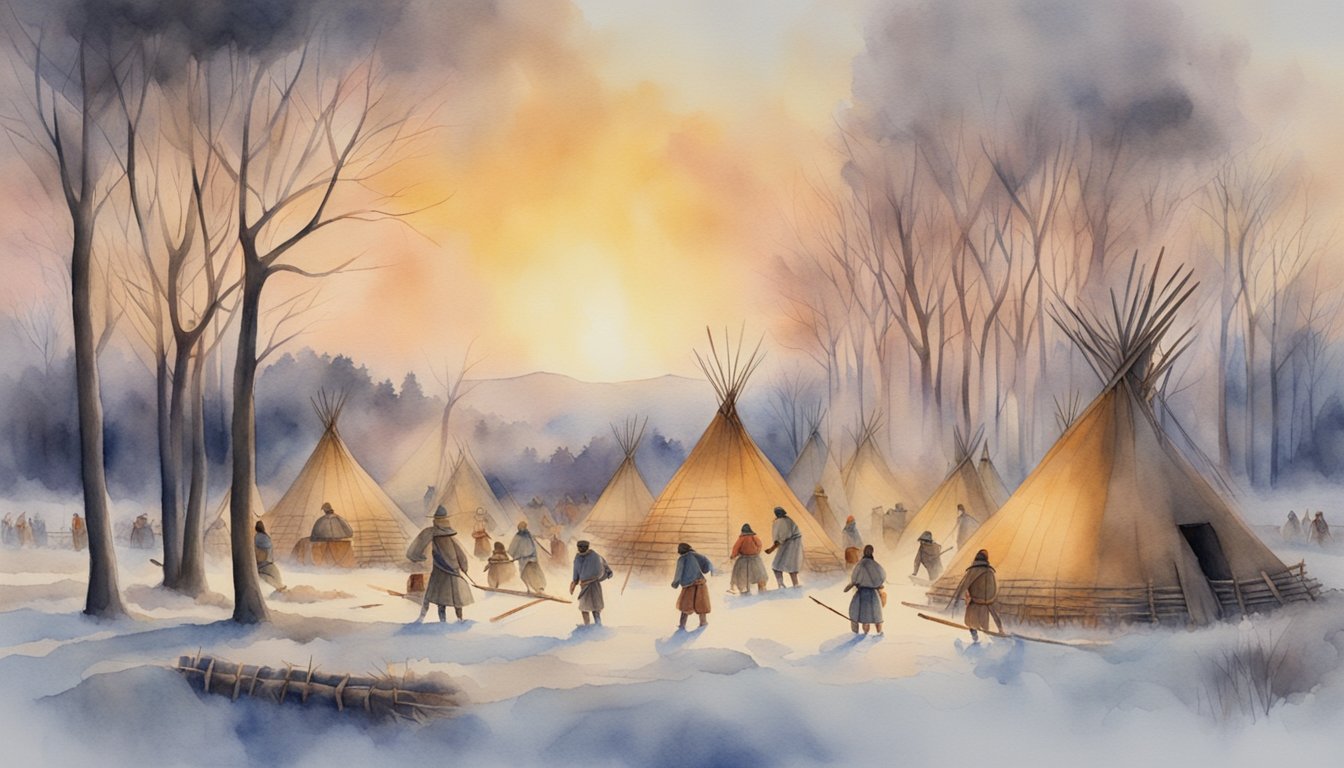
As autumn approached, families would disperse into smaller hunting camps in the interior forests, harvesting wild game and foraging for nuts, berries, and medicinal plants. Winter was a time for storytelling, crafting, and communal gatherings in larger longhouses, where warmth and shared narratives provided solace against the cold. This seasonal migration was not just about survival; it was a practical expression of their belief in living with, rather than against, the natural world.
Kinship and Community: The Matrilineal Backbone
Lenape society was highly organized, built upon a strong framework of kinship and community. The fundamental social unit was the extended family, but the larger structure revolved around a matrilineal clan system. Every Lenape person belonged to one of three primary clans: Turtle, Turkey, or Wolf. A child was born into their mother’s clan, and lineage, inheritance, and social standing were traced through the female line.
This matrilineal system afforded women significant influence and respect within the community. They held power in family decisions, were custodians of cultural knowledge, and played crucial roles in political councils, often having the power to select or remove male leaders (sachems). While men served as sachems, representing the community in external affairs and leading in times of conflict, their authority was balanced by the wisdom and counsel of the women.

"The women held the bundles of life," a traditional saying emphasizes, highlighting their central role in perpetuating the family line and safeguarding cultural traditions. This balanced gender dynamic fostered a collaborative and inclusive society where collective well-being superseded individual ambition. Decisions were made through consensus in community councils, often after extensive deliberation, ensuring that all voices were heard.
Spirituality and Worldview: Interconnectedness and Gratitude
At the heart of Lenape spirituality lies a profound respect for the Creator, often referred to as "Keeshelemukong" or "Great Spirit," and a belief in the inherent interconnectedness of all life. They understood the world to be infused with a spiritual essence, or "Manitou," present in living beings, natural phenomena, and even inanimate objects.
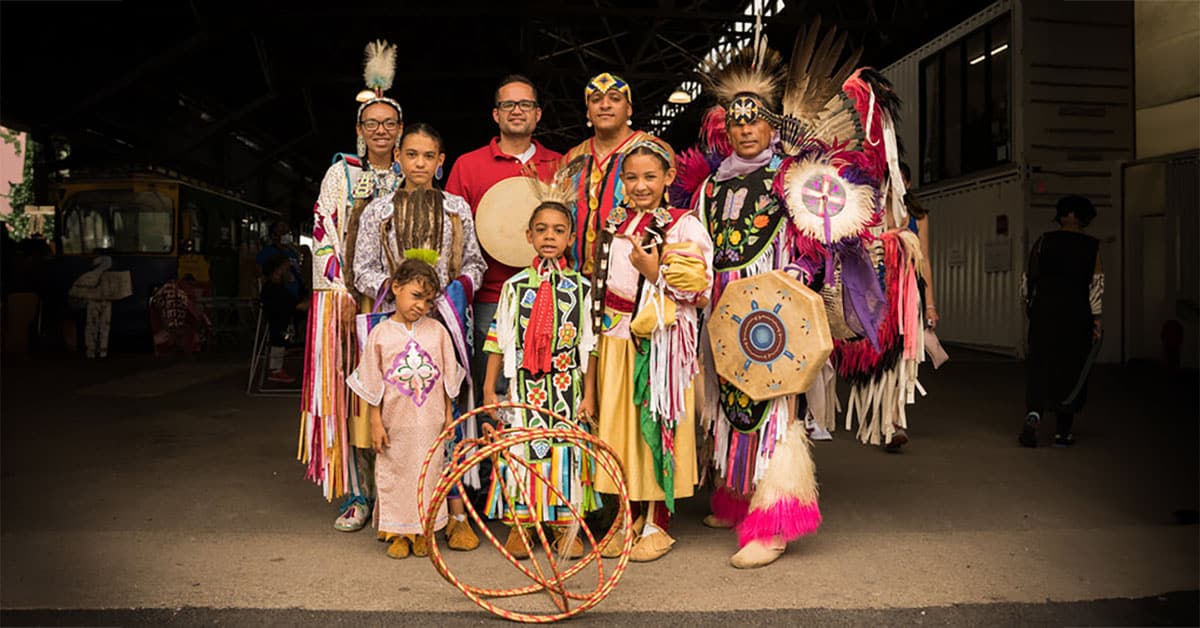
Traditional ceremonies and rituals reinforced this worldview, expressing gratitude, seeking balance, and celebrating life’s cycles. While the most elaborate of these, the "Big House Ceremony" (Gamwing), a multi-day spiritual gathering focused on renewal and thanksgiving, has largely ceased due to historical disruptions, its memory remains a powerful symbol of Lenape spiritual depth. Modern Lenape communities continue to practice ceremonies adapted to contemporary contexts, such as sweat lodge ceremonies, naming ceremonies, and social dances, all aimed at fostering spiritual well-being and communal cohesion.
Storytelling was, and remains, a vital spiritual practice. Elders were the living libraries, transmitting history, ethical teachings, spiritual lessons, and practical knowledge through captivating narratives. These stories, often featuring animals, mythological figures, and ancestral heroes, instilled core values like generosity, humility, honesty, and bravery in younger generations. They served not just as entertainment, but as profound educational tools, shaping the Lenape identity.
Language and Expressive Arts: Weaving Identity
The Lenape language, with its intricate grammar and rich vocabulary, is more than just a means of communication; it is a repository of Lenape worldview, history, and identity. There were historically two main dialects: Munsee and Unami, reflecting geographical distinctions within Lenapehoking. Tragically, centuries of forced removal, residential schools, and the suppression of Indigenous languages led to a severe decline in fluent speakers.
However, a powerful language revitalization movement is underway. Lenape communities are dedicating significant resources to language immersion programs, creating dictionaries, and teaching the language to children and adults. "To speak our language is to speak with the voices of our ancestors," says a language teacher, highlighting the profound spiritual and cultural connection language provides. "It’s how we truly know who we are."
Beyond language, the Lenape expressed their culture through a variety of expressive arts. Wampum, strings or belts made from cylindrical shell beads (quahog and whelk), stands out as particularly significant. More than mere currency, wampum served as mnemonic devices for treaties, historical events, and sacred narratives. Its intricate patterns recorded agreements, documented alliances, and symbolized peace. Wampum belts were "read" during important council meetings, ensuring accuracy and accountability in oral traditions.
Other artistic expressions included intricate beadwork, quillwork, basketry woven from natural fibers, pottery adorned with geometric designs, and clothing made from deerskin, often embellished with natural dyes and decorative elements. Each piece was not merely functional but imbued with cultural meaning and aesthetic beauty, reflecting the Lenape’s deep connection to their environment and their artistic sensibilities.
Resilience in the Face of Adversity: The Ongoing Journey
The arrival of European colonizers marked a catastrophic turning point for the Lenape. Initial peaceful encounters, epitomized by William Penn’s early treaties based on mutual respect, soon gave way to betrayal, disease, and relentless pressure for land. The infamous "Walking Purchase" of 1737, a fraudulent land deal that dispossessed the Lenape of vast territories, stands as a stark example of the broken promises and systemic injustices they faced.
Forced migrations pushed the Lenape westward, a long and arduous journey from their ancestral lands through Ohio, Indiana, Missouri, Kansas, and eventually to Oklahoma, Wisconsin, and Ontario. Along the way, their population was decimated by disease, warfare, and starvation. Yet, the spirit of the Lenape endured. They adapted, formed new alliances, and clung to their cultural practices, often in secret, to preserve their identity.
Today, the descendants of the Lenape Nation are not just survivors; they are thriving cultural practitioners. They are reclaiming their language, revitalizing traditional ceremonies, educating the public about their true history, and fighting for self-determination and the protection of sacred sites. Cultural centers serve as vital hubs for teaching traditional crafts, songs, and dances to younger generations. Repatriation efforts are bringing back ancestral remains and sacred objects, healing historical wounds.
The Lenape story is a powerful testament to the enduring human spirit. It is a reminder that culture is not static; it evolves, adapts, and regenerates. The Lenape continue to walk in two worlds – honoring the wisdom of their ancestors while navigating the complexities of modern society. Their ongoing journey is a vibrant assertion of identity, a celebration of resilience, and a profound call for respect and understanding from the wider world. The echoes of the River People are not fading; they are growing stronger, carried by each new generation committed to preserving the rich tapestry of their heritage.


