
Certainly, here is an article about Coffeyville, Kansas, written in a journalistic style, approximately 1,200 words in length.
Coffeyville: Where the Wild West Met Its Enduring Spirit
COFFEYVILLE, Kan. – The clock hands had barely ticked past 9 AM on October 5, 1892, when the quiet hum of a nascent Kansas town was shattered by the staccato rhythm of gunfire. In the heart of Coffeyville, a place then known more for its burgeoning oil industry and agricultural promise, the infamous Dalton Gang was attempting an audacious feat: robbing two banks simultaneously. They didn’t know it, but they had ridden into their final, bloody chapter, and in doing so, forever etched Coffeyville into the annals of American history.
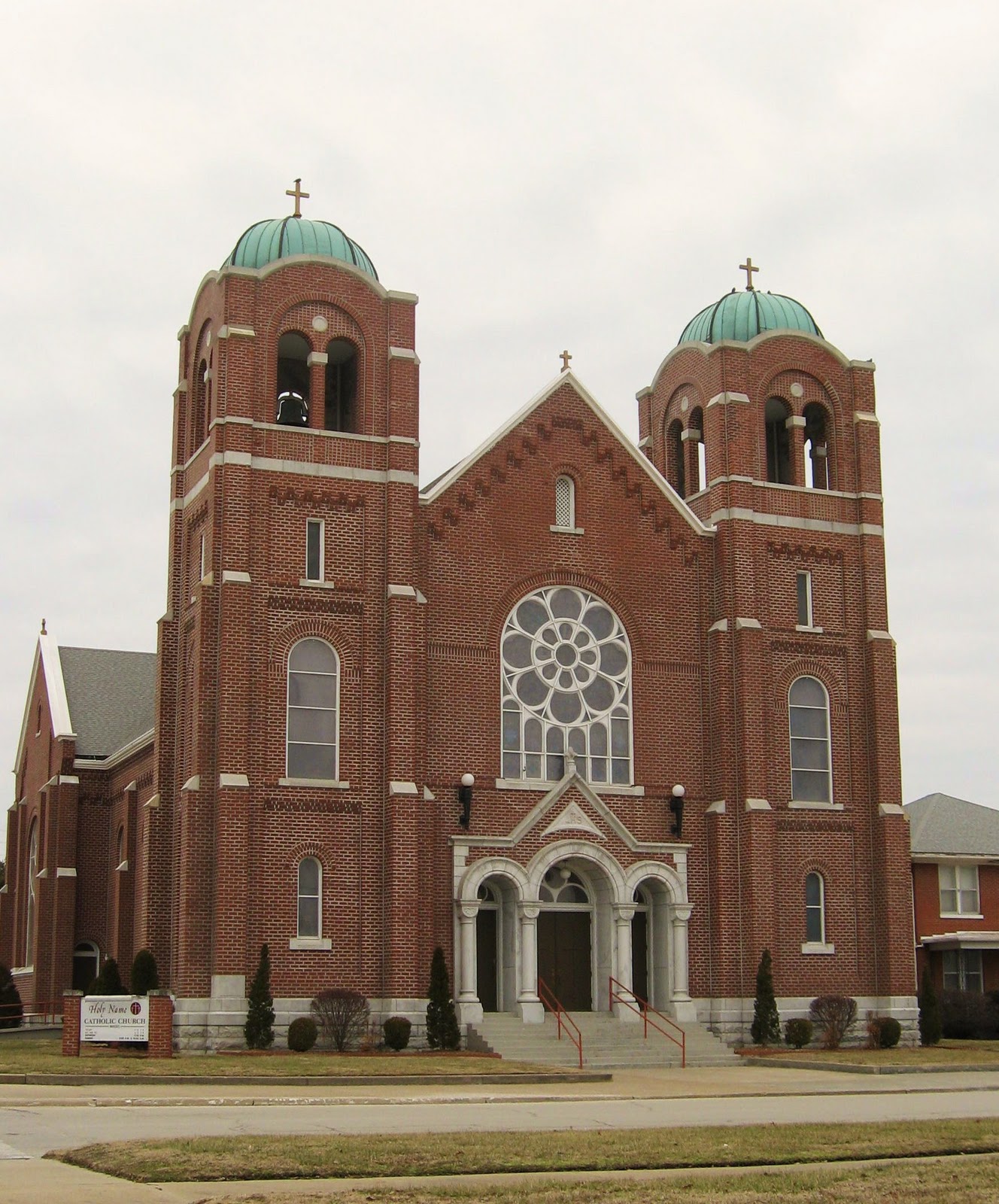
More than a century later, the echoes of that fateful day still resonate through this southeastern Kansas community. Coffeyville, a town of just under 10,000 residents, is a place where resilience is not merely a characteristic but a defining trait, forged not only in the crucible of a legendary gunfight but also through economic shifts, devastating floods, and the quiet determination of the American heartland.
The Day the Daltons Rode In (And Didn’t Ride Out)
The story of the Dalton Raid is Coffeyville’s most compelling narrative, a true Wild West saga played out on its very streets. Brothers Bob, Grat, and Emmett Dalton, along with Bill Power and Dick Broadwell, rode into town, disguised, aiming to plunder the C.M. Condon & Co. Bank and the First National Bank. Their plan was bold, their reputation fearsome, but Coffeyville was not unprepared.
Local citizens, many of whom recognized the outlaws despite their disguises, quickly armed themselves. What followed was a furious, chaotic shootout that lasted mere minutes but left an indelible mark. Bob and Grat Dalton, along with Power and Broadwell, were killed. Emmett Dalton, riddled with wounds, survived to serve a long prison sentence, later becoming a reformed author and actor. Four Coffeyville citizens—City Marshal Charles T. Connelly, along with George B. Cubine, Charles Brown, and Lucius M. Baldwin—also lost their lives defending their town.
The alley between the two banks, where much of the fighting took place, is still known today as "Death Alley." A monument stands there, commemorating both the fallen citizens and the Dalton Gang, a stark reminder of the day the lawless frontier met its match in the collective courage of ordinary people.
"That day wasn’t just about a bank robbery; it was about a community rising up," explains Dr. Sarah Jenkins, a local historian and curator at the Dalton Defenders Museum. "It cemented Coffeyville’s identity as a place that wouldn’t back down. It’s a foundational myth for us, but it’s also a deeply true story about what people are capable of when their homes are threatened."
The Dalton Defenders Museum, housed in the old Coffeyville National Bank building (one of the targets), is a treasure trove of artifacts, including the outlaws’ weapons, clothing, and even the bullet-riddled doors of the banks. It’s a pilgrimage site for history buffs and a vital piece of local heritage.
Beyond the Gunsmoke: A City Forged by Industry and Grit
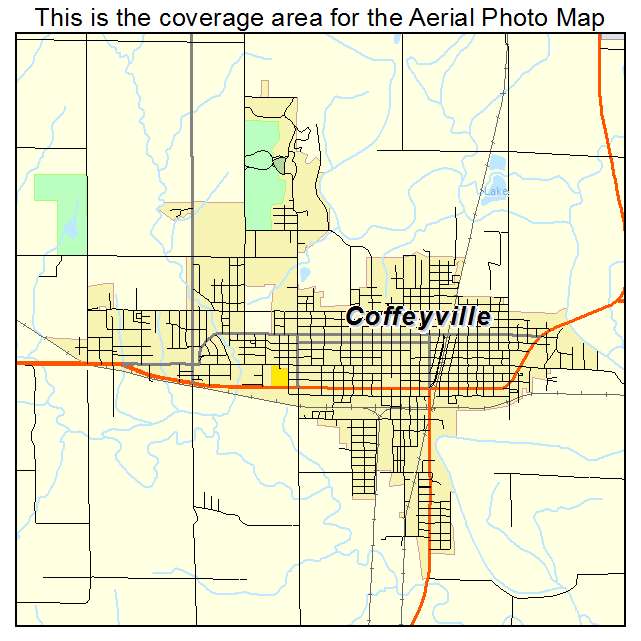
While the Dalton raid remains its most famous moment, Coffeyville’s story stretches far beyond that single, dramatic day. Founded in 1869 by Colonel James A. Coffey, the town initially thrived as a trading post and agricultural center, strategically located at the confluence of the Verdigris River and the railroad lines that snaked across the burgeoning West.
The real boom, however, came with the discovery of oil and natural gas in the late 19th and early 20th centuries. Coffeyville transformed from a quiet farming community into a bustling industrial hub. Refineries, zinc smelters, and brick plants sprung up, drawing workers and entrepreneurs. The city became a crucial node in the nation’s energy infrastructure, its prosperity fueled by the "black gold" beneath its feet.
This industrial legacy continues today. Companies like Coffeyville Resources (a large nitrogen fertilizer and asphalt producer) and John Deere (with a major manufacturing plant) are significant employers, demonstrating the town’s enduring commitment to industry and manufacturing. Coffeyville Community College also plays a vital role, providing education and vocational training that supports the local workforce and beyond.
A Town Against the Tides: The Fight Against Floods
If the Dalton Raid tested Coffeyville’s courage, the recurring floods have tested its endurance. Situated near the Verdigris River, the town has a long and often tragic history with natural disasters. Major floods in 1926, 1951, 1986, and most notably in 2007, have inundated homes, businesses, and critical infrastructure.
The 2007 flood was particularly devastating. The Verdigris River crested at record levels, submerging vast portions of the city and causing hundreds of millions of dollars in damage. The Coffeyville Resources refinery was shut down for months, impacting the local economy significantly. Yet, in the face of such adversity, the spirit of Coffeyville shone brightest. Neighbors helped neighbors, volunteers poured in, and the community embarked on a long, arduous recovery.
"We’ve been knocked down more times than I can count, by the river or by economic downturns," says Mary Beth Thompson, a third-generation Coffeyville resident whose family home has been impacted by multiple floods. "But we always get back up. It’s just what you do here. You roll up your sleeves and you rebuild. It’s part of our DNA." This unwavering resolve is a testament to the town’s character, a quiet determination that mirrors the actions of its forebears in Death Alley.
A Community’s Heart: Life in Modern Coffeyville
Today, Coffeyville is a quintessential small American town, grappling with the challenges and cherishing the strengths that define such places. The bustling main street of its industrial heyday has given way to a quieter downtown, but local businesses, cafes, and community events still serve as vital gathering points.
The town takes pride in its educational institutions, its strong athletic programs, and its friendly, close-knit atmosphere. Coffeyville Community College, affectionately known as "CCC" or "The Ravens," is a hub of activity, drawing students from across the region and beyond, contributing to the town’s cultural vibrancy.
For visitors, Coffeyville offers more than just the Dalton Defenders Museum. The historic Brown Mansion, a stunning 16-room Victorian home built in 1904, offers a glimpse into the opulent lifestyle of an early oil baron. Its unique architecture and preserved interiors stand in stark contrast to the rugged frontier narrative, showcasing another facet of Coffeyville’s rich past. Local parks, the Aquatic Center, and various annual festivals further enrich the community”s life.
Looking Ahead: Preserving the Past, Building the Future
Like many rural communities, Coffeyville faces its share of challenges: maintaining economic vitality, retaining its youth, and adapting to a rapidly changing world. Yet, its residents remain fiercely proud and optimistic. There’s a palpable sense of community, a shared history that binds people together, and an understanding that their collective future depends on their continued resilience.
Coffeyville is not a town that seeks the spotlight, but it has repeatedly found itself there – first by a band of outlaws, then by the bounty of the earth, and always by the strength of its people. It’s a place where history isn’t just relegated to textbooks but lives on in the stories told, the monuments revered, and the enduring spirit of a community that has proven, time and again, that it will stand its ground.
From the gunsmoke of Death Alley to the floodwaters of the Verdigris, Coffeyville, Kansas, remains an authentic testament to the American spirit – a small town with a big story, quietly but powerfully writing its next chapter.


