/downtown-kansas-city---southwest-view-134979498-02ea350f608544d4b255ebd39140ce08.jpg "Kansas City: Where Soul Sings, Smoke Swirls, and Fountains Dance")
Kansas City: Where Soul Sings, Smoke Swirls, and Fountains Dance
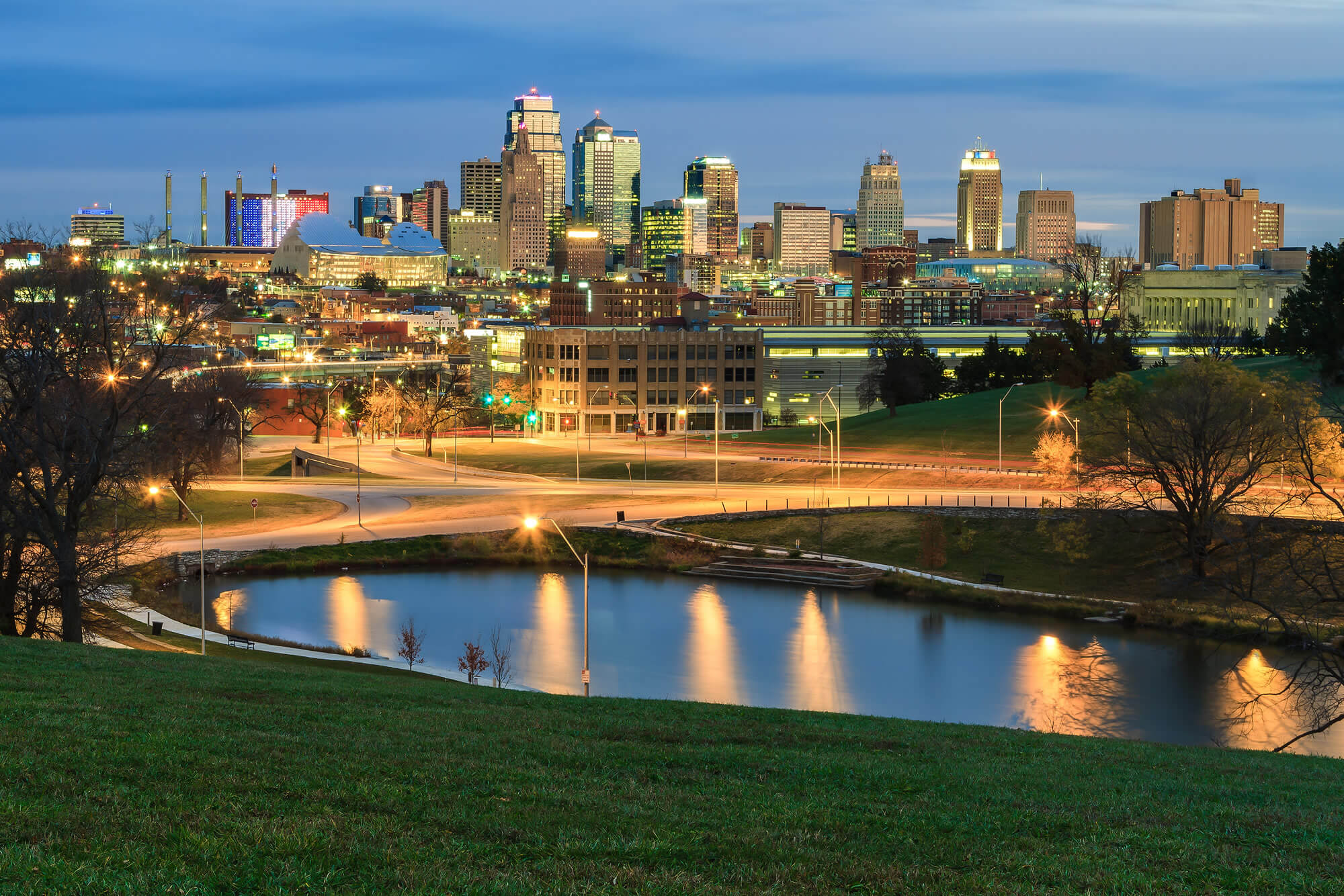
Kansas City, Missouri, often misunderstood or simply overlooked by those who haven’t experienced its unique charm, is a city that defies easy categorization. It’s not merely a stopover on the way to somewhere else; it’s a destination, a vibrant confluence of history, culture, and an undeniable spirit of reinvention. Nestled at the confluence of the Missouri and Kansas Rivers, this heartland metropolis is a symphony of sizzling barbecue, soulful jazz, and an artistic flair that has earned it monikers like the "Paris of the Plains" and the "City of Fountains."
Step off the plane, and the first thing you might notice is a subtle, pervasive aroma – a faint, smoky whisper that promises culinary delights. This is the scent of Kansas City barbecue, a tradition so deeply ingrained in the city’s identity that it borders on religion. Unlike other regional styles, KC BBQ is characterized by its slow-smoked meats – often beef brisket, ribs, and burnt ends – slathered in thick, sweet, and tangy tomato-based sauces. It’s a messy, joyous affair, best enjoyed with a pile of napkins and a complete disregard for table manners.
The origins of KC BBQ are rooted in the city’s history as a major livestock and rail hub. The stockyards, once sprawling and central to the city’s economy, meant an abundance of meat. Pitmasters, often African American entrepreneurs, began perfecting their craft in the early 20th century, transforming tough cuts into tender, flavorful masterpieces. Legends like Henry Perry, often called the "Father of Kansas City Barbecue," started selling his smoked meats from a pushcart in the early 1900s, laying the groundwork for what would become an iconic culinary scene. Today, institutions like Arthur Bryant’s Barbeque, Gates Bar-B-Q, and Joe’s Kansas City Bar-B-Que stand as testaments to this enduring legacy, each with their fiercely loyal followings and secret sauce recipes. "You haven’t truly experienced Kansas City until you’ve got barbecue sauce on your shirt," quips a local, and they’re probably right.
But Kansas City’s soul isn’t just smoked; it sings. The city’s jazz scene, born in the Prohibition era, is as legendary as its barbecue. While much of the country was under the strictures of Volstead Act, Kansas City, under the notoriously corrupt but paradoxically permissive political machine of Tom Pendergast, was a wide-open town. Speakeasies, dance halls, and nightclubs thrived, creating a fertile ground for a unique style of jazz to emerge. Kansas City jazz was characterized by its driving, blues-infused rhythms, spontaneous improvisation, and a focus on big bands. It was music designed for dancing and letting loose.
The historic 18th & Vine Jazz District became the epicenter of this vibrant movement, attracting and nurturing talents that would shape American music. Legends like Count Basie, Charlie Parker, Big Joe Turner, and Lester Young honed their craft in the smoky clubs of Kansas City. The Mutual Musicians Foundation, established in 1917, still stands as a testament to this era, hosting late-night jam sessions that continue the tradition of improvisation and musical collaboration. "Kansas City jazz wasn’t just music; it was a way of life, a soundtrack to freedom in a restrictive time," explains a local historian during a walking tour of the district. The rhythmic pulse of the city still echoes in its numerous jazz clubs, keeping the legacy alive.
Beyond the smoke and the swing, Kansas City also boasts an unexpected artistic elegance. It is, famously, the "City of Fountains," second only to Rome in the number of its aquatic spectacles. More than 200 public fountains grace its boulevards, parks, and plazas, ranging from grand, classical structures like the J.C. Nichols Memorial Fountain on the Country Club Plaza to whimsical, modern installations. Each fountain tells a story, adds a touch of beauty, and offers a refreshing respite on a warm day. They are a visual metaphor for the city’s flow and vitality.
The city’s commitment to art extends far beyond its fountains. The Nelson-Atkins Museum of Art, with its iconic shuttlecock sculptures on the lawn, is a world-class institution offering an encyclopedic collection spanning centuries and continents. The Kemper Museum of Contemporary Art and the innovative Crossroads Arts District further cement Kansas City’s status as a burgeoning art hub. The Crossroads, once a collection of industrial warehouses, has been transformed into a vibrant neighborhood filled with galleries, studios, boutiques, and restaurants. Its "First Fridays" event, where galleries open their doors for an evening of art, music, and food, draws thousands and embodies the city’s creative energy. The magnificent Kauffman Center for the Performing Arts, a stunning architectural marvel designed by Moshe Safdie, serves as a beacon for opera, ballet, and symphony performances, solidifying KC’s cultural sophistication.
For a city often stereotyped as "flyover country," Kansas City pulses with a surprising urban dynamism. The revitalization of downtown, anchored by the Power & Light District, has injected new life into the urban core. What was once a collection of neglected buildings is now a bustling entertainment hub with restaurants, bars, and live music venues. The Kansas City Streetcar, a free-to-ride service, effortlessly connects the River Market, with its historic City Market and eclectic shops, to the Power & Light District and the Crossroads, making exploration easy and enjoyable. This thoughtful urban planning bridges the gap between the city’s storied past and its ambitious future.
Sports, too, run deep in the veins of Kansas Citians. The roar of the crowd at Arrowhead Stadium, home to the NFL’s Kansas City Chiefs, is legendary. Famously, Arrowhead held the Guinness World Record for the loudest outdoor stadium, a testament to the fervent loyalty of its "Chiefs Kingdom" fanbase. Just next door, Kauffman Stadium, one of baseball’s most beautiful ballparks, hosts the MLB’s Kansas City Royals, whose recent World Series triumph ignited a city-wide celebration. "Game day in Kansas City isn’t just about the sport; it’s a city-wide tailgate party, a gathering of the tribe," says a seasoned Chiefs fan, reflecting the deep communal bond forged through sports.
Despite its growing sophistication, Kansas City retains an unpretentious, Midwestern friendliness that immediately puts visitors at ease. Locals are genuinely welcoming, eager to share their favorite barbecue joint or give directions. There’s a palpable sense of community, a "biggest small town" feel that allows for genuine connections and a relaxed pace of life, even amidst urban hustle. This hospitality is a hallmark of the heartland and contributes significantly to the city’s appeal.
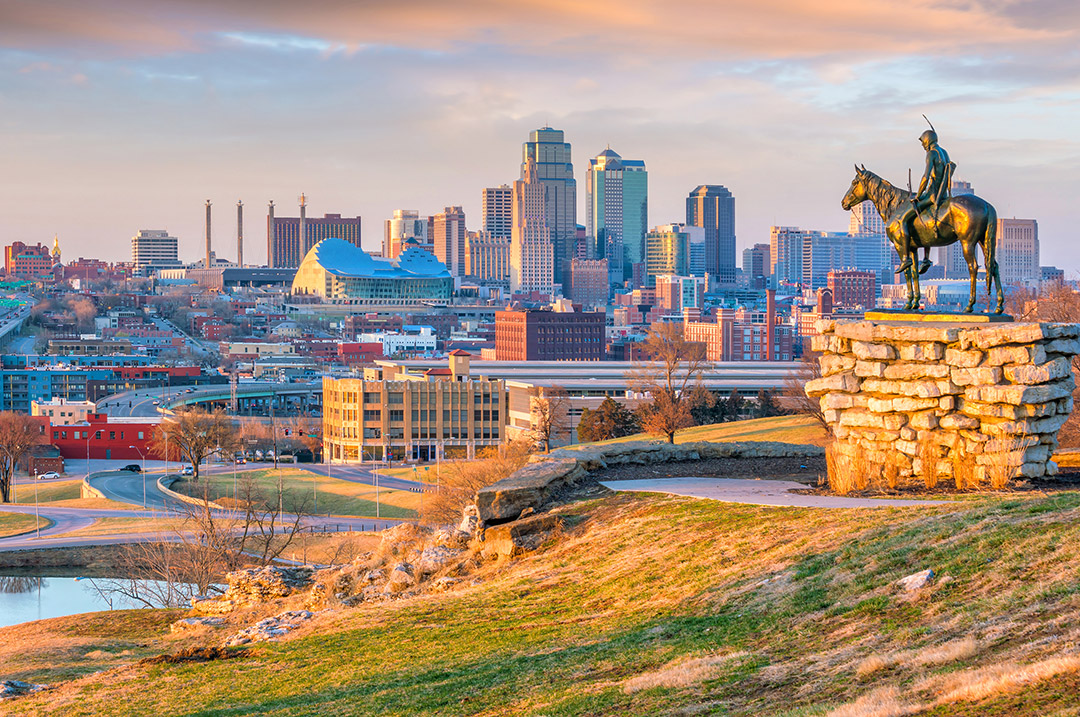
Looking forward, Kansas City is not resting on its laurels. It’s investing in innovation, attracting tech startups, and fostering a diverse economy. The city is expanding its green spaces, enhancing public transportation, and continuing to embrace sustainable practices. Yet, even as it modernizes, it carefully preserves the elements that make it unique – the historic neighborhoods, the cherished traditions, and the independent spirit.
Kansas City, Missouri, is a city of layers, a place where the echoes of jazz mingle with the sizzle of barbecue, where historic boulevards lead to cutting-edge art installations, and where a deep-seated pride in its past fuels an optimistic vision for its future. It’s a city that rewards exploration, offering an authentic American experience far removed from the coastal clichés. It invites you to pull up a chair, grab a plate of ribs, and listen to the soulful rhythm of a truly original American city. Come for the barbecue, stay for the soul, and leave with a piece of Kansas City etched in your heart.


/downtown-kansas-city---southwest-view-134979498-02ea350f608544d4b255ebd39140ce08.jpg?ssl=1&description=Kansas%20City%3A%20Where%20Soul%20Sings%2C%20Smoke%20Swirls%2C%20and%20Fountains%20Dance)